Open beta, free for everyone
Learn, build and understand electronics from anywhere.
- No downloadIt runs in your browser.
- No sign-upOpen it and start building.
- Nothing to breakGet it wrong, run it again.
This is what building feels like.
- 1Drag modules onto the plate
Pick the Quark C3 brain, a sensor and a buzzer from the parts library. Each one snaps to the hole grid, like on the real plate.
- 2Plug in Zap cables
One keyed cable per module. It only fits one way round, so you can’t wire it wrong.
- 3Write a few lines of Python
Plain words like distance(), led.color() and buzzer.beep(). No drivers, no setup, no pin numbers.
- 4Press Run and test it
Your code runs on the virtual Quark. Lower the block towards the sensor: the light turns orange, then red, and the buzzer beeps.
That’s it. You just built a parking sensor.
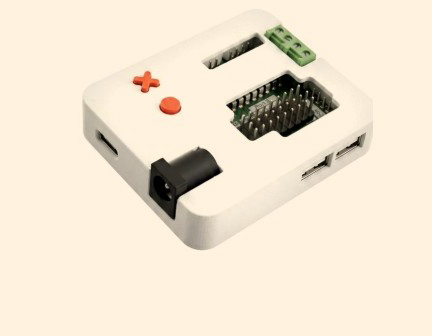

Built with Qbitio.
Qbitio is StemGrid’s technical partner, and their boards are built into the simulator. Pick one, plug modules into it and program it, right here in your browser.
You learn on real board designs instead of made-up stand-ins, so what you figure out here makes sense when you hold the real thing.
Our mission
Electronics shouldn’t need a lab, a box of parts and a teacher in the same room. We’re putting a real plug-and-play kit in the browser, so anyone, anywhere, can learn it by building it.
Learn by building
You understand a circuit best when you’ve made it work, then changed it to see what happens.
Open to everyone
A school laptop, a home computer or a library PC is all it takes.
Skills that carry over
The parts behave like the real kit, so your code and know-how come with you.
Join the waitlist
The beta is open to everyone today. Join the waitlist and we’ll email you first when the full version launches.
Can’t wait? Open the simulator and start building now.